What is amperage in simple terms?
Amperage, or current, is really just the amount of electricity flowing through a wire. You measure it in amps. The higher the amperage, the more electricity is moving through the circuit.
What is amperage vs voltage?
When it comes to electricity, there are 3 main things to understand: volts, ohms, & amps.
What is Voltage?
Think of voltage like the push behind the electricity. It’s what gets the electrons moving through the wires. At home, your electrical system usually runs on either 120 volts or 240 volts. For most small devices, like lamps and phone chargers, 120 volts is enough. But larger appliances, like your oven or dryer, need 240 volts to work properly.
What About Amperage?
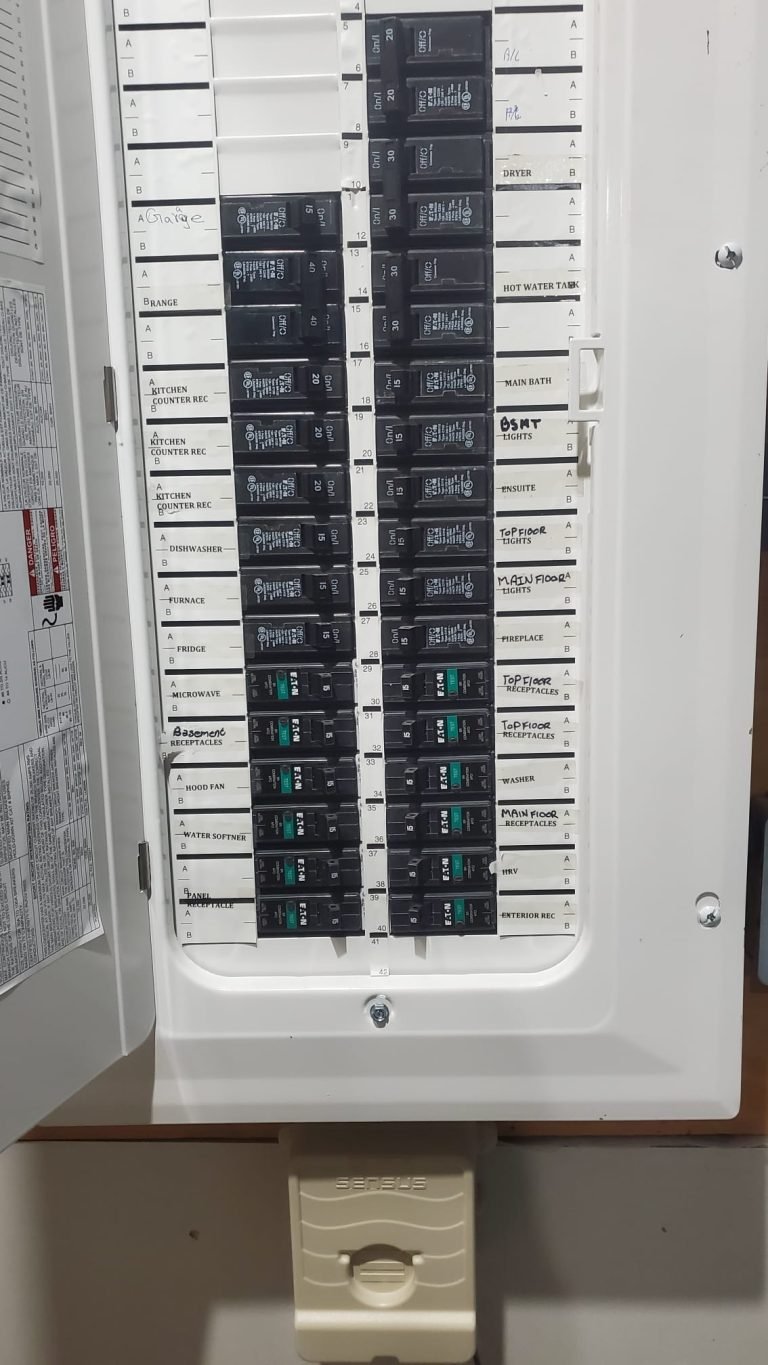
Amperage or amps, is all about how much electricity is flowing through a wire. It’s like measuring how many electrons are passing through each second. The more amps, the more electricity is flowing. It tells you how many electrons are moving through the circuit every second. If you look at the circuit breakers in your house, you’ll notice that they’re rated for 15, 20, or 30 amps. Larger appliances need circuits with higher amps because they draw more electricity, while smaller devices can be safely run on 15- or 20-amp circuits. If you overload a circuit with too many devices, the breaker trips to keep things safe and prevent overheating.
What’s Resistance
Resistance (measured in ohms) is how much a material slows down the flow of electricity. Copper and aluminum wires, stuff that’s commonly used in homes, resist the flow a little bit. Appliances do the same thing. They add some resistance, too. Georg Simon Ohm, who figured out a lot of this, gave his name to the unit of measurement for resistance.
How Do These Things All Fit Together?
These three things voltage, amperage, and resistance are all connected. There’s a rule called Ohm’s Law that sums it up: Voltage = Current x Resistance. So, if you increase the voltage, it can push more current through, as long as the resistance doesn’t change. But if you add more resistance, it slows down the current, even if the voltage stays the same.
Understanding how volts, amps, and ohms work is super important if you want to be safe around electricity or fix things when they go wrong. It’s the key to how everything from light bulbs to big machines get their power.
Why Amperage Matters
The Importance of Proper House AmperageHaving the right amperage for your electrical panel is crucial for safe and efficient operation. It ensures all your electrical devices get the correct amount of power without overloading the system.
Dangers of Insufficient AmperageIf your electrical panel has insufficient amperage, it can cause problems like frequent tripping of circuit breakers, dimming lights, and underperforming appliances. These issues can be inconvenient and pose serious safety risks.
If you are searching for an electrician in Calgary, look no further than AK Electrical Services. Contact us today at 403-400-4443 to schedule an appointment or get a free estimate.
The Risks of Having the Wrong Amperage
- Fire Hazards
One of the biggest risks of having the wrong amperage is the potential for fire hazards. Overloaded circuits can generate too much heat, leading to electrical fires that can cause significant damage to your property and put lives at risk.
- Overloading Circuits
Overloading circuits happens when the demand for electrical power exceeds the capacity of the electrical panel. This can cause circuit breakers to trip often, disrupting your power supply and potentially damaging the panel.
- Damage to Electrical Appliances
Using an electrical panel with insufficient amperage can damage your electrical appliances. Appliances may not work correctly or could be harmed due to an inconsistent power supply, reducing their lifespan and efficiency.
Factors to Consider When You Calculate Amperage
1- Size of the House
The size of your house is a key factor in determining the amperage needed for your electrical panel. Larger homes usually need more electrical power to accommodate additional lighting, heating, cooling, and other electrical needs.
2 – Number of Electrical Appliances
The number and type of electrical appliances in your home also play a big role in determining the needed amperage. High-power appliances like HVAC systems, water heaters, and kitchen appliances require more amperage to operate efficiently.
3 – Future Expansion Plans
If you plan to expand your home or add new electrical appliances in the future, consider these plans when determining your electrical panel’s amperage. Upgrading to a higher amperage now can save you the hassle and cost of upgrading your electrical panel later.
Typical Electrical Panel Amperages and Where They're Used
To figure out how much amperage your home needs, it’s best to talk to professional electricians. They can do the tricky math, like figuring out how likely all your devices might run at the same time.
Typical House Amperage
Small and Medium Sized House
For small and medium-sized houses with minimal electrical needs, a 100 amp electrical panel is usually sufficient. This amperage can support basic lighting, heating, and a few essential appliances.
Typical Amperage for a Big House
Large homes that use a lot of electricity typically need a 200 amp electrical panel or more. These panels can handle many powerful appliances, advanced home systems, and future upgrades. Selecting a 200 amp panel is advisable if you plan to add additional appliances like a stove, dryer, microwave, and extra panels in the garage.
This capacity not only supports HVAC units like air conditioners efficiently but also helps prevent frequent tripping of circuit breakers and reduces the likelihood of costly electrical upgrades down the road.
How to calculate amperage
For a quick estimate, add up how much power all your appliances use in watts. Then, divide that total by the voltage (usually 240 volts in North America). Finally, multiply the results by 1.25 to include a 25% safety buffer. This gives you a basic idea of how many amps your electrical panel should handle.
Assessing Electrical Appliances:List all your electrical appliances and note their power requirements in watts. You can find this info on the appliance’s label or in the user manual.
Benefits of Upgrading Your Electrical Panel
Size of the HouseThe size of your house is a key factor in determining the amperage needed for your electrical panel. Larger homes usually need more electrical power to accommodate additional lighting, heating, cooling, and other electrical needs.
Number of Electrical AppliancesThe number and type of electrical appliances in your home also play a big role in determining the needed amperage. High-power appliances like HVAC systems, water heaters, and kitchen appliances require more amperage to operate efficiently.
Future Expansion PlansIf you plan to expand your home or add new electrical appliances in the future, consider these plans when determining your electrical panel’s amperage. Upgrading to a higher amperage now can save you the hassle and cost of upgrading your electrical panel later.
Expert tips when it comes to Amperage
Hiring a Professional ElectricianHiring a professional electrician is very important to make sure your electrical panel is the right size and installed correctly. They can give you expert advice and make any changes needed to meet your home’s electrical needs.
Understanding Local Electrical CodesFamiliarize yourself with local electrical codes and regulations to ensure your electrical system complies with safety standards. A professional electrician can help you navigate these requirements.
Regular Maintenance and InspectionsIt’s important to regularly check and maintain your electrical system. This helps find problems early before they become big issues. Schedule regular checks with a qualified electrician to keep your system working well.
In conclusion,
Determining the appropriate house amperage for your electrical panel is essential for safety and efficiency. Factors such as house size, the number of electrical appliances, and future expansion plans should be carefully considered. Understanding amperage and its significance, and seeking advice from a professional electrician will ensure that your home is safe and well-prepared for the future. Regular maintenance and professional consultation will keep your electrical system running smoothly for years.

Request a Quote Today
Reach Us
Location :
Calgary, AB T3J
Email :
info@akelectrical.ca
Phone :
+1-403-400-4443